Fruit, made the way wine is made.
People often ask whether we make fruit wine or grape wine. We would rather say this: real Chinese fruit, given the structure of wine.
What is guojiu?
Guǒjiǔ (果酒) means fruit wine: wine made from fruit other than grapes, or from fruit together with grape wine.
We make ours with a winemaker’s habits. We start in the orchard, watch ripeness and acidity, and keep alcohol between 0 and 12.5%, so the wines sit comfortably beside food.
Three ways into the bottle.
Blended with white wine
Fruit purée or juice is blended with a finished white wine chosen to echo it: Sauvignon Blanc for guava, Riesling for pineapple and kumquat, Moscato for green plum and yuzu. The wine brings acidity and structure. The fruit brings itself. Production is temperature-controlled throughout.
DUNDUN · ImpromptuFermented whole, in clay
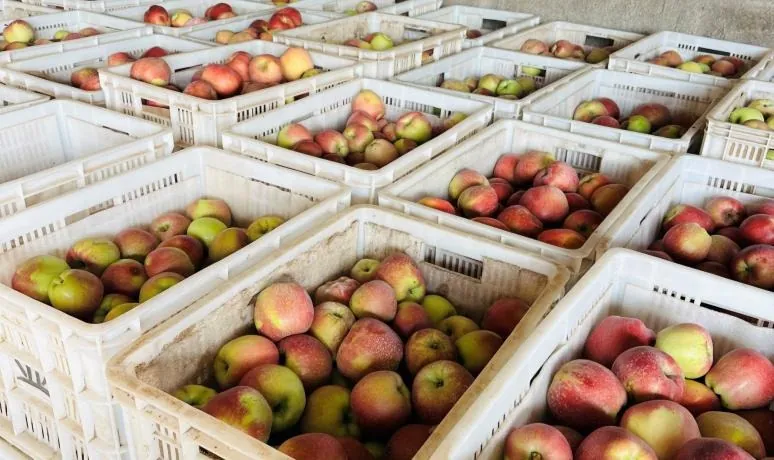
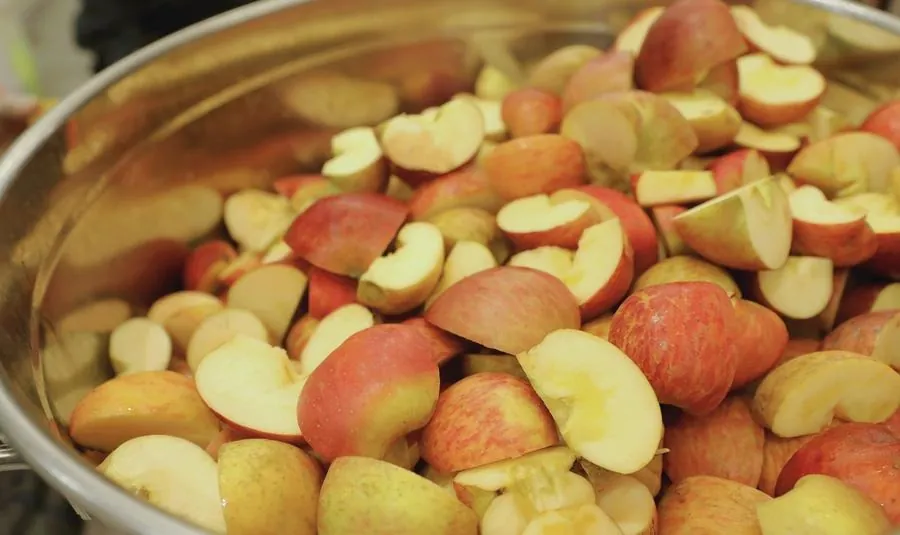
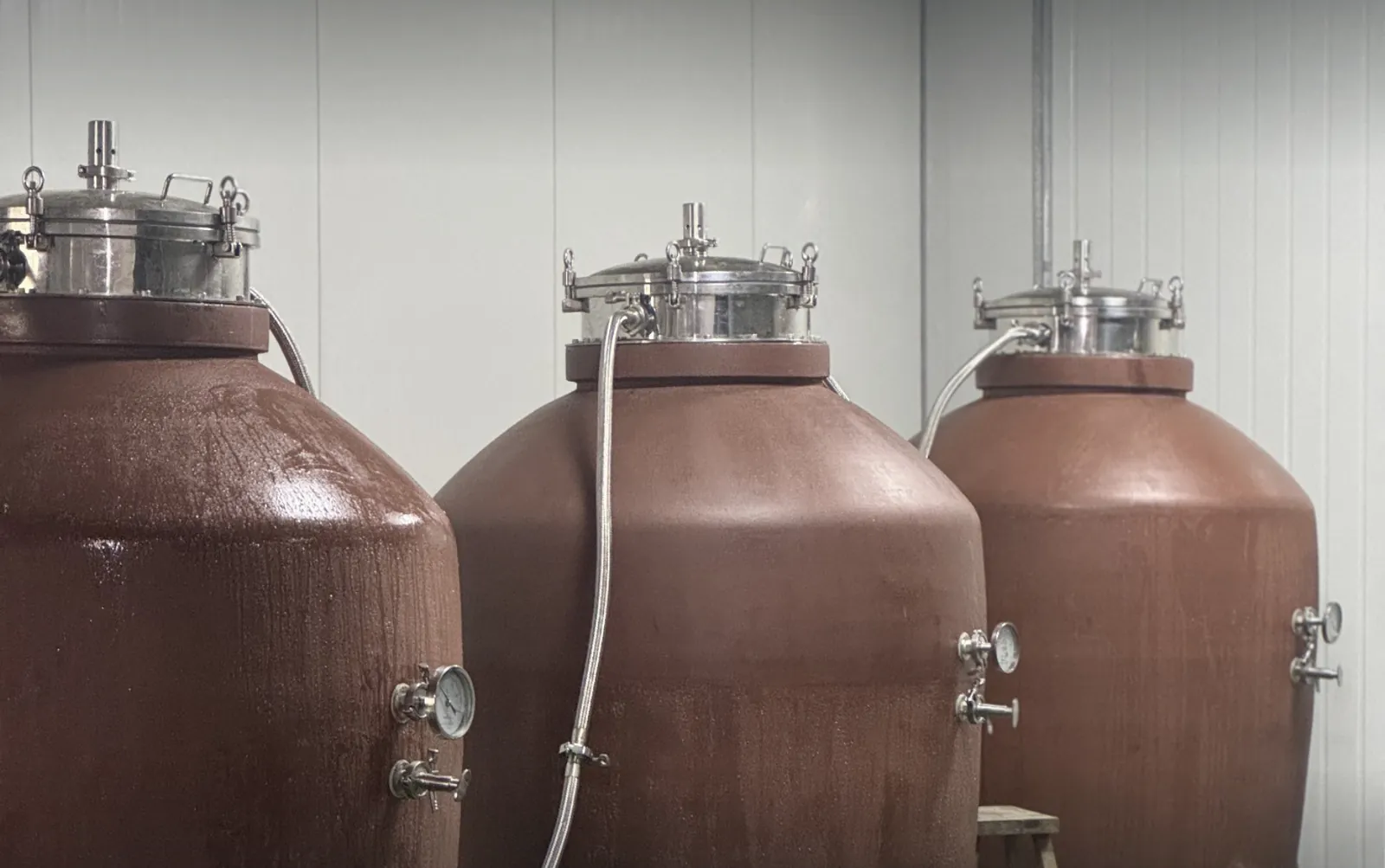
For Fengwu we ferment the fresh fruit itself, as one would grapes. Peaches and apples are picked at around 80–85% ripeness, sorted by hand, fermented under temperature control in large purple-clay jars from Rongchang, and left to clarify naturally. For the sparkling wines we stop fermentation early to keep the fruit’s own sweetness.
Fengwu · Qiushan Valley ChardonnayFree-run, and brewed cold
For our 0% range, Muscat grapes are cold-crushed and we keep only the first 30% of the juice, the part that flows under the fruit’s own weight. Our sparkling teas are cold-brewed and joined with this juice.
Bailu Muscat · sparkling teasOur own winery, in Penglai.
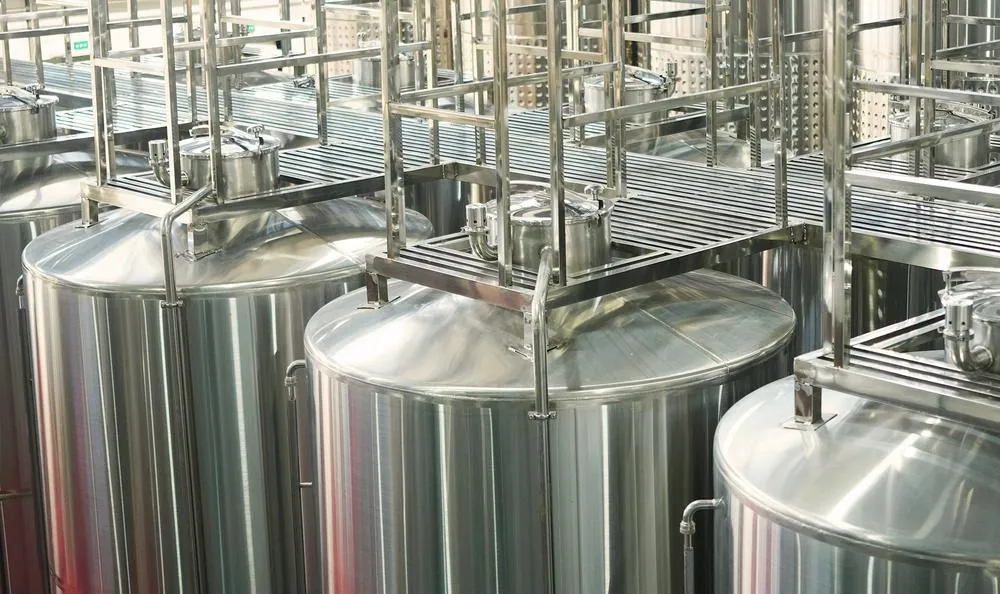
Development and production sit side by side on the Shandong coast, from flavour development and recipe trials to bottling.